
Embracing the Future Quantum AI Transforming Gaming Experiences
Embracing the Future Quantum AI Transforming Gaming Experiences
- Embracing the Future: Quantum AI Transforming Gaming Experiences
- Understanding Quantum AI
- Applications in Game Development
- Enhanced User Experience
- Challenges and Considerations
- The Future of Game Mechanics
- Collaborative Play and Community Building
- Market Impact
- Conclusion
Embracing the Future: Quantum AI Transforming Gaming Experiences
The intersection of technology and entertainment has always fueled transformative innovations, especially when it comes to gaming. Amongst the most promising advancements today is the concept of harnessing Quantum AI to reshape how we interact with digital entertainment. Unlike traditional computing, which operates linearly, quantum computing utilizes the principles of quantum mechanics, introducing higher efficiency and speed. This foundational change brings about enhanced simulations, more intelligent gameplay, and ultimately, a more immersive experience for users worldwide. As games become more complex and demanding, the application of advanced algorithms through Quantum AI presents opportunities that were once confined to the realm of fantasy.
In gaming, the potential of Quantum AI expands beyond mere computational power. It promises enriched player interactions and ensures unique experiences tailored to individual preferences. The gaming community, with its diverse audience and varied tastes, can benefit immensely from personalized suggestions powered by quantum algorithms. This type of interactive experience fosters greater player engagement, leads to improved customer satisfaction, and ultimately boosts player retention. As developers eagerly explore the potential of Quantum AI, recent examples of its application highlight the remarkable shifts it can facilitate in narrative design and gameplay mechanics.
As we embark on this exciting journey towards integrating Quantum AI into gaming environments, it’s important to delve deeper into the specific ways in which quantum technology can enhance the industry. From improving real-time decision-making processes in multiplayer settings to providing rigorous testing and balancing of gameplay, the implications are both vast and impactful. The evolution of gaming hinges on understanding and implementing these technologies properly, ensuring that they enhance user experiences without compromising the fundamental principles of enjoyment and entertainment.
Understanding Quantum AI
To fully appreciate the transformative potential of Quantum AI, it is essential to grasp its underlying principles. Quantum computing distinguishes itself from classical systems by leveraging quantum bits, or qubits, which can represent and process information in ways that classical bits cannot. This characteristic allows quantum computers to solve problems exponentially faster, especially those involving complex data sets and multivariate variables.
Moreover, quantum algorithms—such as those developed for optimization and machine learning tasks—showcase the immense power that these systems can harness. When applied to gaming, Quantum AI can facilitate the creation of highly advanced artificial intelligences capable of understanding and adapting to player behavior in real time. This level of adaptation leads to more challenging and engaging gameplay, enriching the overall player experience.
| Processing Speed | Linear | Exponential |
| Data Handling | Single-dimensional | Multi-dimensional |
| Problem Solving | Limited Complexity | High Complexity |
Applications in Game Development
The integration of Quantum AI into game development processes is revolutionizing not only how games are designed but also how they are played. One of the most significant outcomes is the potential for procedural content generation, where quantum algorithms can create vast, unique worlds with varied environments tailored to the player’s preferences and gameplay style. This capability could redefine the concept of open-world games, offering new, never-before-seen landscapes lush with interactive elements.
Additionally, the adoption of Quantum AI allows for more sophisticated non-player characters (NPCs) that can learn from player interactions, making them more relatable and easier to engage with. With improved programming, these NPCs can react realistically based on players’ actions, further blurring the lines between scripted and genuine gameplay experiences.
Enhanced User Experience
Quantum AI also stands to improve the overall user experience in gaming. By utilizing quantum machine learning algorithms, developers can analyze player data more intricately to identify preferences and improve recommendations for new games or content. For example, players might receive tailored suggestions based on their past gaming habits, further enhancing engagement and interaction with the platform.
Moreover, Quantum AI can facilitate advanced analytics that provide developers with insights into player behavior, helping to fine-tune gameplay mechanics and balance challenges. By understanding how players interact with games, developers can create experiences that are more attuned to player desires, thereby fostering deeper connections with their audience.
Challenges and Considerations
Though the potential benefits of Quantum AI in gaming are immense, challenges abound that developers must navigate. One of the significant hurdles involves the nascent state of quantum technology itself. With quantum computers still evolving, the practicality of integrating such advanced AI into existing systems can be complicated and costly.
Additionally, concerns regarding data privacy and security arise with more advanced algorithms capable of processing large volumes of player information. As the industry moves forward, developers need to ensure ethical practices in data use, fostering trust while creating personalized experiences. Regulations must also catch up with technology, forming a framework in which Quantum AI can operate securely.
The Future of Game Mechanics
Looking ahead, the role of Quantum AI in transforming traditional game mechanics presents an exciting frontier. As gaming continues to evolve towards immersive experiences, the ability to implement complex simulations driven by quantum computations could reshape players’ interactions entirely. For instance, imagine a game environment where decisions not only impact immediate gameplay but also influence several intertwined plotlines and character arcs.
- Dynamic Game Worlds: Games could feature environments that evolve unpredictably based on quantum-driven AI decisions.
- Smart Adaptation: AI could adjust game difficulty in real time based on player responses and skill levels.
- Realistic Environmental Interactions: Improved physics simulations would make in-game interactions truly feel authentic.
Collaborative Play and Community Building
As gaming communities thrive, the incorporation of Quantum AI can enhance collaborative play experiences. This technology can facilitate the formation of player communities that are dynamic in nature, allowing for greater collective problem-solving and creativity. Games could utilize adaptive matchmaking systems that optimally pair players based on their style and skill levels, enhancing cooperative gameplay.
Stronger community ties within games foster an environment where players not only engage with the content but also with one another. Players could collaborate on quests or challenges that utilize the Quantum AI to adapt in real time based on the participation levels, creating memorable and engaging experiences that reflect the players’ successes.
Market Impact
The emergence of Quantum AI is likely to reshape the gaming market. As developers adopt this technology, competition may intensify, with studios vying to create the most innovative gaming experiences. Publishers could see a shift in their business models, focusing more on personalized gaming experiences rather than generalized offerings targeted at wide audiences.
- Investment in Technology: As quantum computing becomes more mainstream, investment in the right technology is pivotal for developers.
- Shifts in Player Expectations: Players will expect increasingly tailored experiences and real-time interactions.
- Growth of New Genres: The fusion of quantum algorithms may lead to the creation of entirely new game genres.
Conclusion
The future of gaming, powered by technologies such as Quantum AI, is poised to be transformative. With richer environments, smarter gaming mechanics, and enhanced player engagement, this technology holds the potential to elevate the industry to unprecedented heights. As developers continue to explore its capabilities, the horizon for gaming innovation seems brighter than ever.
Fique por dentro do que acontece na OMS e veja outras notícias...

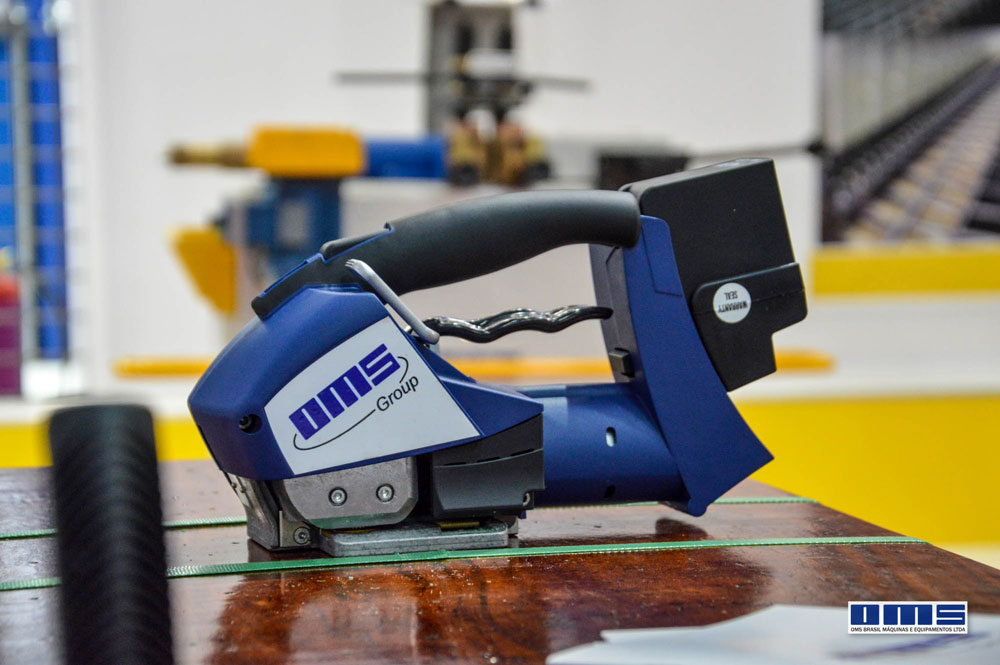

Em um mercado cada vez mais competitivo e com consumidores extremamente exigentes, a OMS Brasil tem dado ênfase a pesquisas para aperfeiçoar o funcionamento das suas máquinas, reduzindo assim, os custos de produção e mantendo a preocupação com a sustentabilidade.
R. Sílvio Campos Filho, 240 - Parque Industrial João Batista Caruso, Mogi Guaçu / SP - CEP: 13848-674
+ 55 (19) 3862.2737
+ 55 (19) 3805.4270
contato@omsbr.com.br
Funcionamento:
Segunda a sexta das 7h30 às 17h18
Almoço das 12h às 13h
Copyright OMS Brasil Máquinas 2020. Desenvolvido por Theodoro Jr.