
Revolutionizing Entertainment with Cutting-Edge Quantum AI Solutions
Revolutionizing Entertainment with Cutting-Edge Quantum AI Solutions
- Revolutionizing Entertainment with Cutting-Edge Quantum AI Solutions
- Understanding Quantum AI Technology
- Applications in Game Development
- Transforming Content Creation in Film
- Enhancing User Experience with Quantum AI
- Revolutionizing Streaming Services
- Future Prospects of Quantum AI in Entertainment
- Challenges and Considerations
Revolutionizing Entertainment with Cutting-Edge Quantum AI Solutions
The landscape of entertainment is undergoing a dramatic transformation, fueled by advancements in technology. Among these innovations, Quantum AI stands out as a powerful tool capable of reshaping the way we experience games, films, and interactive media. By harnessing the unique properties of quantum computing and integrating them with artificial intelligence, the entertainment industry is on the brink of a revolution that will redefine creativity and engagement. This exploration of this technology delves into its core principles, potential applications, and implications for the future.
Quantum AI combines two of the most significant technological advancements of our time – quantum computing and artificial intelligence. Quantum computing employs qubits instead of traditional bits, allowing for complex computations at unprecedented speeds. When allied with AI, this technology empowers machines to learn and adapt rapidly, facilitating personalized experiences in entertainment. Furthermore, with Quantum AI, budgeting, production planning, and audience analysis can all become significantly more efficient, paving the way for innovative formats and storytelling.
As we navigate through this exploration, we will uncover how Quantum AI enhances user experiences, optimizes content creation, and promotes new business models. The synergy between quantum processing and AI technologies enables creators to push the boundaries of imagination, making storytelling more immersive and interactive than ever.
Moreover, the implications of this technological convergence are profound. From reimagining gaming mechanics to enhancing viewer engagement in streaming services, Quantum AI offers a wide array of opportunities for creators and consumers alike. In the subsequent sections, we will delve deeper into the specific aspects and benefits of Quantum AI in the entertainment industry.
Understanding Quantum AI Technology
To appreciate the revolutionary potential of Quantum AI, it is essential to grasp the foundational concepts that define it. At its core, Quantum AI marries the principles of quantum physics with artificial intelligence algorithms. Quantum computers operate using the principles of superposition and entanglement, enabling them to execute multiple calculations simultaneously. This capability allows AI to analyze vast datasets quickly and efficiently.
One of the most notable advantages of Quantum AI in entertainment lies in its ability to enhance data processing capabilities. Traditional AI systems can struggle with massive datasets, leading to delays in real-time analysis. On the other hand, Quantum AI accelerates this process, allowing creators to make swift decisions based on real-time feedback. For instance, studios can analyze audience responses while a show is being aired, facilitating instant adjustments to content or marketing strategies.
| Data Processing Speed | Slower, limited by classical processors | Extremely fast using quantum operations |
| Data Handling Capability | Limited by memory capacity | Handles exponentially larger datasets |
| Real-time Analysis | Difficult with high data volume | Effortless, allowing for immediate adjustments |
Applications in Game Development
The impact of Quantum AI on game development is nothing short of transformative. With its ability to process complex algorithms rapidly, Quantum AI enables developers to create more sophisticated game environments. For example, the capability to simulate realistic physics in real-time enhances the overall player experience, leading to greater immersion.
Furthermore, Quantum AI can aid in the optimization of AI-driven characters within games. Traditionally, the behavior of non-player characters (NPCs) relies on pre-defined scripts, limiting their interactions with players. However, with Quantum AI, NPCs can learn from player actions and adapt their behaviors accordingly, creating a more dynamic gameplay experience.
Moreover, integrated data analysis allows developers to better understand player preferences and behaviors. By utilizing the accelerated processing power of Quantum AI, studios can analyze player interactions and feedback more effectively, informing design tweaks or new features that align with player expectations.
Transforming Content Creation in Film
The film industry stands to gain significantly from Quantum AI’s capabilities, particularly in content creation. Filmmakers can leverage Quantum AI to automate various processes such as script analysis, casting, and even post-production editing. By analyzing vast amounts of historical data, Quantum AI can identify trends and suggest changes to maximize audience appeal.
Additionally, the technology can enhance visual effects through advanced simulations. Quantum AI can create more complex graphics in less time, opening new avenues for storytelling. This allows filmmakers to pursue ambitious visual narratives that were previously beyond reach. Envisioning stunning landscapes or fantastical creatures becomes more feasible than ever, thus enriching the storytelling experience.
Enhancing User Experience with Quantum AI
One of the key benefits of integrating Quantum AI into entertainment platforms is its ability to create highly personalized user experiences. By analyzing user data in real time, platforms can tailor content recommendations based on individual preferences, viewing histories, and engagement metrics. This level of customization transforms the way audiences discover new content.
Moreover, Quantum AI enables interactive storytelling where viewers can influence the course of a narrative through their choices. This concept of participatory storytelling enhances engagement, as audiences become active participants rather than passive viewers. Such systems can analyze viewer interactions to create unique, tailored experiences each time a story is consumed.
- Dynamic Content Recommendations
- Real-time Engagement Feedback
- Participatory Storytelling
- Enhanced Interactivity
Revolutionizing Streaming Services
Streaming services have become the dominant mode of content consumption, and Quantum AI is poised to revolutionize this sector significantly. One of the primary advantages is the ability to analyze viewer habits on a massive scale. By integrating Quantum AI, streaming platforms can create more engaging content and tailor their catalogs to subscriber preferences.
Furthermore, Quantum AI can optimize streaming quality by dynamically adjusting video resolutions based on network conditions and viewer hardware. This ensures a smoother and more enjoyable viewing experience, reducing buffering and improving customer satisfaction.
Future Prospects of Quantum AI in Entertainment
As the technology behind Quantum AI matures, its future applications in the entertainment industry appear promising. The potential for new, innovative storytelling methods that leverage both gaming and cinematic experiences can reshape audience engagement. Furthermore, developments in Quantum AI could lead to entirely new genres of entertainment that blend traditional narratives with immersive technologies, such as virtual reality and augmented reality.
In addition, the convergence of Quantum AI with other emerging technologies such as blockchain can promote transparency and security in content distribution. Using blockchain can ensure that creators receive fair compensation for their work while maintaining ownership rights, thereby fostering a more sustainable creative ecosystem.
- New Genres of Entertainment
- Enhanced Creator Rights
- Innovative Storytelling Techniques
Challenges and Considerations
While the prospects for Quantum AI in entertainment are exciting, it is crucial to acknowledge potential challenges. The complexity of Quantum AI algorithms necessitates specialized knowledge, which may create a skills gap in the industry. Additionally, the high costs associated with quantum computing infrastructure can be a barrier to entry for smaller studios and independent creators.
Ethical considerations also come to the forefront when discussing AI technology. As Quantum AI evolves, it is vital to establish guidelines to address issues such as data privacy and algorithmic bias. The entertainment industry must balance innovation with responsibility to ensure a fair landscape for all stakeholders.
Finally, as with any emerging technology, the adoption of Quantum AI will require careful consideration of its impact on audiences and creators alike. Understanding how to harness this power responsibly will be critical in shaping a positive future for entertainment.
The integration of Quantum AI into the entertainment sector signals a new era of creativity and innovation. By transforming how content is created, distributed, and consumed, this technology opens doors to limitless possibilities. As the industry continues to explore these advancements, audiences can look forward to an unparalleled entertainment experience.
Fique por dentro do que acontece na OMS e veja outras notícias...

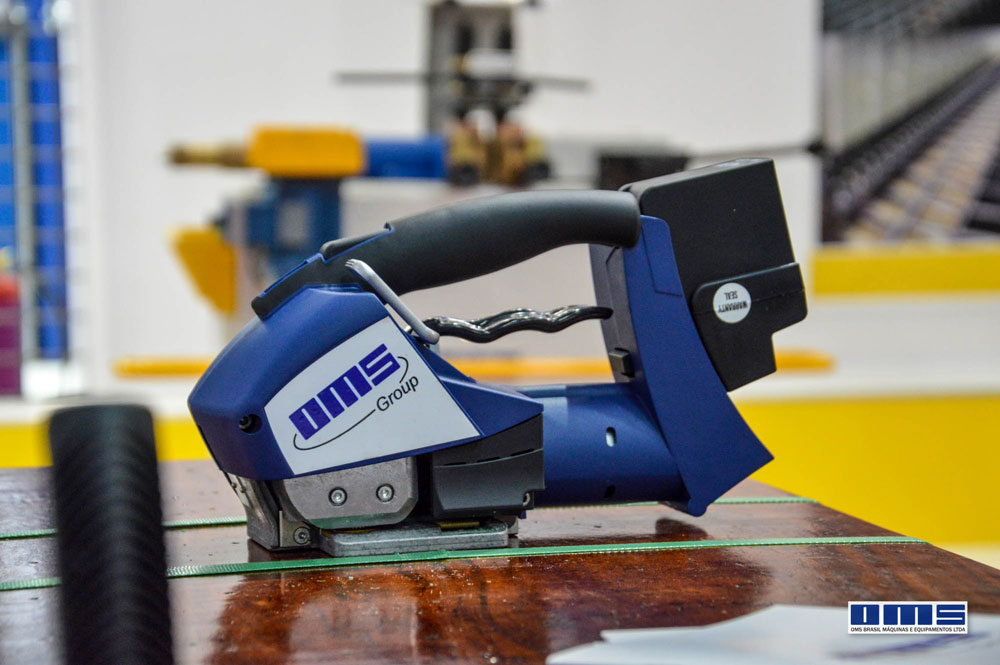

Em um mercado cada vez mais competitivo e com consumidores extremamente exigentes, a OMS Brasil tem dado ênfase a pesquisas para aperfeiçoar o funcionamento das suas máquinas, reduzindo assim, os custos de produção e mantendo a preocupação com a sustentabilidade.
R. Sílvio Campos Filho, 240 - Parque Industrial João Batista Caruso, Mogi Guaçu / SP - CEP: 13848-674
+ 55 (19) 3862.2737
+ 55 (19) 3805.4270
contato@omsbr.com.br
Funcionamento:
Segunda a sexta das 7h30 às 17h18
Almoço das 12h às 13h
Copyright OMS Brasil Máquinas 2020. Desenvolvido por Theodoro Jr.